
Purple Pants Podcast | Luther: Never Too Much
Kicking off the Brice Birthday Bash Week and celebrating Black History Month, @briceIzyah and @chappelltnt take you on a Journey to the Past as they dive into Never Too Much, the Luther Vandross documentary directed by Dawn Porter. This film Gives You the Best That It’s Got, offering an in-depth look at Vandross’s nearly 40-year career—from his early days singing on Sesame Street with Listen My Brother to becoming the voice behind timeless hits like Here and Now and A House Is Not a Home. So pull up a seat at the Superstar table and Stop to Love this legendary story. Tune in now, and make sure you are subscribed to the Purple Pants Podcast!
You can also watch along on Brice Izyah's YouTube channel to watch us break it all down.https://youtube.com/channel/UCFlglGPPamVHaNAb0tL_s7g
LISTEN: Subscribe to the Purple Pants podcast feed
WATCH: Watch and subscribe to the podcast on YouTube
SUPPORT: Become a RHAP Patron for bonus content, access to Facebook and Discord groups plus more great perks!
Previously on the Purple Pants Podcast Feed:
Learn more about your ad choices. Visit megaphone.fm/adchoices
[00:00:00] We are Teresa and Nemo and now we are switched to Shopify. The platform, which we used before Shopify, has used regularly updates, which have often been brought to the shop. Our Nemo Boards Shop makes our mobile devices a good figure. The illustrations on the boards come now very clearly, what is important to us and what our brand also makes. Start your test today for 1€ per month on shopify.de.
[00:00:30] It's the Purple Pants, it's the Purple Pants, it's the Purple Pants Podcast. You better get your headphones in, listen up quick. It's the Purple Pants Podcast, you better listen in public, might make your stomach hurt. Podcast, you tryna unwind, you better get that box wine. It's the Purple Pants Podcast, you tryna get your snack, you better hurry right back though. It's the Purple Pants, it's the Purple Pants.
[00:00:56] Hello, hello and welcome to the Purple Pants Podcast on the Bryce Birthday Bash week. I serve as your humble and oh so gracious host, Bryce Isaiah and I thank you so much for tuning in to this week's Birthday Bash. If you could be so kind and give your baby boy some Birthday Bash love and ensure you are subscribed to the Purple Pants Podcast.
[00:01:22] We are available on Apple Podcasts, Google Podcasts, Spotify, wherever you can find podcasts. The Purple Pants Podcast is available for you to subscribe. Make sure you give your baby boy some five stars and leave a comment that you are here for the Birthday Bash. And as always, you can watch this audio podcast on video. Head over to the Bryce Isaiah YouTube channel, click subscribe, give this video a thumbs up,
[00:01:52] and let us know in the comments what you think about this episode. I'm super excited to be here this week celebrating my birthday all week long on the Bryce Birthday Bash. But it is also Black History Month and I'm super excited to be joined this week by none other than the man himself, Chappelle. Chappelle, Chappelle and I are discussing and taking you on the journey of Luther Vandross.
[00:02:21] CNN released a documentary called Luther Never Too Much and it was directed by Dawn Porter. This documentary gives us a glance into the world of all things Luther Vandross. Some things we didn't know, some things we knew, but one thing is for sure, this documentary is a must watch. It is definitely opens our eyes to a lot of the different facets about Luther Vandross that we did not know.
[00:02:49] And Chappelle and I are breaking it all down on this episode. So listen, let's get into Luther. It's a man who? It's a man you. Me and potatoes like we're cooking up a great stew. It's a man who? It's a man you. Me and potatoes like we're cooking up a great stew.
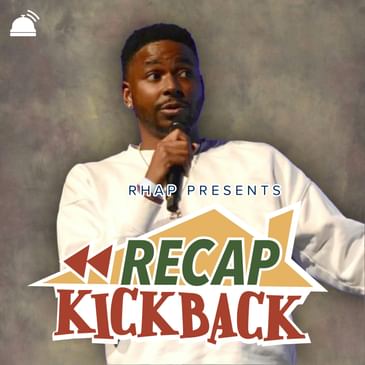
[00:03:13] What is going on? Super excited to be here on the Purple Pants Podcast with Black History Month here and now. I'm super excited to be talking about a legend with a legend in his own right. Let's welcome to the podcast an RHAP contributor, the man, the myth. You might know him from the RHAPUPS, Rehab Kickbacks, the kickbacks. Okay. Lord Jesus. It's me, Chappelle, from the Recap Kickback, Bryce.
[00:03:42] Recap. Thank you. You know, a little dyslexia ain't, you know, ain't nothing wrong with that. It's all good. Bryce, you know, it's the year anniversary of Recap Kickback. February 6th actually has been one calendar year. So happy Black History Month from me to you as well. Yes. How has it been having your own podcast on this RHAP network? I know it is a lot. I think some people think having a podcast is like, oh, you just hit record and you go.
[00:04:09] But they don't get to see the behind the scene works, the dedication, what it takes to put into making a great podcast. How has that been for you? Well, you know, I have big shoes to feel following in your footsteps, Bryce. And so, yeah, I'm always very pressured with like, okay, it's got to be good. It's got to be fresh. It's got to be nice because people are so used to what you've cultivated here on the Purple Pants podcast. And so I was like, I can't, I can't come back in slipping. You know, I, I've been doing this for a year. It's been fun.
[00:04:35] I feel like I'm building community and I'm starting to get a real groove in like what I'm doing and what I like to talk about. But I want to spice it up for you too. You know, I want to, I want to, of course, have you on more, of course, but I definitely want to have like more engaging conversations with the audience as well with kind of, you know, just to build the same kind of rapport that I've grown to have with a podcast that I like listening to. So I want to bring that to recap kickback. So you're right. It's been, it's been tough, but it's been fun. And I wouldn't trade it for the world. I love that.
[00:05:05] I love what you and Mari and Ty are doing over there. Your podcasts are so fun. Whenever I listen to them in the car, I feel like I'm not listening to a podcast. I feel like I'm on a car ride and I'm just chiming in and listening to the conversation. So if you haven't checked Chappelle out, make this your duty, make this your homework assignment to go check out Chappelle and all of the amazing things that he is doing.
[00:05:29] Now, listen, over the holidays, they CNN came out with the Luther Vandross never too much documentary. And I remember on Christmas morning, my sister was like, you know, they coming out with the Luther documentary. And I was like, oh, I need to check this out. And it came out on CNN and I watched it and I was blown away. And I was like, who can I need to talk about this? Who can I call? I text Chappelle. Chappelle said, let's do it.
[00:05:58] What what's your overall knowledge of Luther? Well, I love a good biopic. I love a good biopic or like a movie about somebody. But I also love a good documentary because to me, I always look at music history as just what it is. It's history. Right. It's like if you if you can find a certain time and place in music, it can tell you what the world is like at that time. And so anytime I have opportunities to watch something like this, I'm always going to dive in.
[00:06:25] And as far as Luther Vandross goes, I didn't know too much about him personally, but I love Luther Vandross's music. That was the thing that like when you said Luther, I was like, oh, thank God, because Luther got hits. Luther can sing. Luther was a showman. I was like, oh, yeah, this is the type of person that I want to dive into. Somebody who is just presenting himself like just the utmost excellence in their field. This man could sing like none other. I mean, like it's like him and Whitney Houston are just like one in one. You know, like of just you just can't stop them when they start singing.
[00:06:55] So I was dying to go and listen to and and get into the documentary to find out, OK, well, that's him, the performer. But who is he really? And I think we got a lot of that in this documentary. We absolutely did. I think what was so interesting about this documentary, because whenever you think of Luther, there's always these rumors and like negative things that you hear about Luther.
[00:07:17] And so I was worried that I hope this documentary isn't going to be some salacious thing all about Luther's sexuality. And so I was so pleasantly surprised when I got into the documentary. Of course, they touched on his sexuality, but it was so much more, so much more that me as a young.
[00:07:39] Tenderoni growing up listening to Luther, that I had no idea of all of the things that he created, that he started, that he did. I think it was like for me, what I love about these music documentaries, right, because we live in a day and age, just 2025. Instagram, TikTok, social media. Growing up, we had 106 and Park, like we had access to our artists.
[00:08:03] And so when we have these artists like Luther Vandross, who growing up when I was growing up, like he was kind of like at the later end of his career. But I knew that he was a legend. However, it's like. They have Instagram. We couldn't see Luther posts. And I don't know if I don't know what a Luther Vandross selfie post. I don't know what it would give, but it was just like I just didn't know his art.
[00:08:30] Right. Or just the magic of him and itself. And I think me as a gay black man. Right. I always scream about representation and that we just I didn't really have much representation to look at. And so when I can look back on someone like a Luther and say, like, not only was Luther a singer, he's a songwriter. He's a businessman. He's a choreographer. He's a stage director. Like he was a business mogul.
[00:09:00] And I don't think when we think of Luther, we always think of like, oh, he could sing. But they don't put the respect behind his name. Yeah. This documentary really dives into the stuff that we don't know. Right. We all can hear the voice. You can't miss it. It's amazing. But to know that he was so involved in, you know, like the staging of his shows, that he was designing the outfits, that he was producing the albums, that he wanted to have his hands on each of the songs that he was doing.
[00:09:27] That's the kind of stuff that really lets you get to know artists, because you start to realize that so much of themselves is put into every aspect of the song. There are some artists that show up. Someone has written a song for them. They've seen the song. They do the dance that the choreographers have. And then they show and then they do the performance that the people put in front of them and then they go home. But Luther Vandross is pretty much around the clock.
[00:09:49] It kind of reminds me of your girl Beyonce, just, you know, you know, just that same through line of just perfection and knowing that I got to look at it and sign off on it or it's not going to be good enough for me. And it was so impressive to see all of that and to learn that about Luther Vandross. You know, he's not ashamed of wearing like a shiny suit, like, you know, and then and all that, like all the glitter, all the sequence, all that kind of stuff. But to find out that he was designing the court, the background singers outfits, too.
[00:10:16] I said, so you just woke up and just design it out, design it, design outfits like we don't get no background of him being a seamstress. You know, it's just he had the vision and he knew what he wanted to look like and he knew no way could execute it like him. Absolutely. And we learn in Luther's younger career, he grew up, he had mom and dad. His dad died when I believe he was seven. So he was very close with his mom. Of course, he grew up in the church. He was in this group that was like, I don't know, a Syntucket or, you know, like eight of them. A lot of them. It was a lot of people.
[00:10:45] It was it was a lot. And it was just so interesting when you watch the documentary and you see young Luther. I would be remiss if I didn't say like looking at photos of young Luther. We don't look alike, but a lot of our mannerisms were very similar. And again, I've never really seen young images of Luther. And very early on, Luther wanted to sing.
[00:11:11] He wanted to be a part of this group and he was really great at it. As the group started to get bigger, it really kind of sort of highlighted the fact that not only was Luther talented, but Luther was a bigger person, more to love. And that kind of like stood out a lot in Luther's younger career. But it's also something that followed Luther throughout his career of his weight.
[00:11:38] Luther was a big guy. Ain't nothing wrong with a big guy. We all love a little teddy bear. But Luther, you know, wanted that. I guess what you could say, like the image of the standard of beauty is skinny and all of these things. And it's like to see the the thread of Luther when he is feeling good or when he is happy about himself, him being slimmer. And then when he goes through more difficult times or like when he struggles, he is a little bit bigger.
[00:12:06] And it's just crazy to see that streamline start from a very young and early age. Yeah. And it's even worse to know that Luther Vandross could not just be himself. He could not just be a heavier guy because that that wasn't the way Hollywood or the music industry wanted to market their singers. And so even in this group, I think it was called Listen, My Brother was the group. He's on Sesame Street and Luther is very clearly the best singer of the group. Right. First of all, let me just backtrack a little bit.
[00:12:35] Did you know Luther Vandross was on Sesame Street? Because I was shocked. OK, but he's he's on Sesame Street and you can see him trying to like almost like it's like he's fighting the urge to be in the front because he knows he's the star. But, you know, he's understanding that I'm a bigger dude. They don't want me up there like he's trying to play his role. But his energy is just so infectious and his voice is so good. It's kind of like Luther, you're not going to be to hide back there for much longer.
[00:12:59] And so, yeah, he had his body image issues for so long because Hollywood or the music industry didn't want him to be the star because of his body, his size. And it's very sad to me that that's something that and tragic, really, that that's something that will follow him throughout his entire life, that he never really gets a handle on those issues despite being a diabetic and knowing that, you know, it's not easy for someone who is a diabetic to to manage that type of thing.
[00:13:26] Like there are tons of people who deal with these same image issues as well. But to know that it's also like a physiological issue as well. You know, like this is it's not it's not easy. And he's being held to a standard and it's really driving him to the point of his body is just fluctuating so much, you know, losing 120 pounds and then gaining most of it back. That's a lot on the body. So Luther had a lot of internal turmoil dealing with, you know, to deal with in his life on top of all the things that he was doing in the music industry.
[00:13:54] Yeah. And Luther might have been a little bigger, but even when he was on Sesame Street, he still was hitting the moves. Luther was in the back. I was like, go ahead, Luther. And then after he was in that group, I believe he started doing background. And mind you, Luther loved the ladies. OK, Luther loved Patty. Luther loved Diane Warwick. Diane Warwick and Aretha. And Aretha. And Aretha. And those were.
[00:14:24] And again, let's be clear, like Patty, Aretha. That's the Beyonce of the young black generations at that time, though. That's who people look up to. That's who people just want to. Live they life like. Also, it's just crazy when you think about Aretha and just you think about the success of Aretha. You've seen the Aretha movie. And it's just crazy to know, like with Aretha struggle with like alcohol. Right. Like just crazy to think.
[00:14:52] And again, this is why I love these documentaries, because it's like us as the younger generation, we only see the highlights. We only see the best part of things. We only see Aretha walking through the aisle and Patty trying to wave her down. And Aretha. Don't touch me. Don't touch me. Get off me. Yeah. Snatch her hands. Yeah. And so Luther loved those ladies. And so Luther then began doing backup. So Luther was like a backup singer.
[00:15:19] And not only was he a backup singer, but he was like the best of the best of the best of the best of the best of the backup singers. And once Luther started really getting a name for himself, he then joined another group called Luther. And it had, I think, three other people. And again, Luther was the lead singer. At this time, Luther was still a little heavier. And I believe they put out like two albums. They didn't really have like chart success.
[00:15:46] But again, it just was more of seeing Luther as this star. And Luther just didn't believe that he could be a solo star. So he's like, let me be in a group. And I guess we'll just name the group Luther since I'm writing the song, since I'm arranging the music, since I'm putting all of the things together. And so from there, like what was your thoughts on seeing how many people he sung for?
[00:16:12] Yeah. So I was very taken by the idea that, you know, we always get the story of Motown, right? But then this documentary is like, let me tell you about Philly. You know, let me tell you how it was like Motown, but a little bit looser. You know what I'm saying? A little loosey-goosey. It kind of, it was the space that Luther needed to kind of thrive. And I was like, that's crazy. I just, I never think of music along those terms, right? Where they're dropping names like the OJs and stuff of that nature. And it's like different groups that they got the Motown feel.
[00:16:40] But they're a little bit, you know, a little bit more reckless than the Motown. You know, they're not wearing their tuxedos and doo-wop in a little bit. They're getting a little wild out there. So Luther starts to thrive in those environments where they're sticking him in the background. And he's just like, he's so good that even the artists that are at the forefront, they don't feel threatened by Luther. They're like, nah, you so good that there's no point in me feeling threatened. You need your own stuff. You know, like I love for you to sing background for me, but you could be doing way more.
[00:17:08] I mean, I didn't know he's saying background for David Bowie. This was all new to me. And right. Isn't that crazy that he, again, if you know, you know, in the singer, in the singing community, somebody, oh, David's at the studio. You know a singer, bring a singer. And it's funny how they said, like Luther knew that, right? Like Luther knew that if he would be in the studio, Luther going to be in the background. Oh, he's going to pick up a storm.
[00:17:34] And again, thinking back to Cowboy Carter and we think of the origins of country music, right? Where it comes from Black people. The first family of country music is a white family that they love. I don't even know their names. But when you know the origin of it is that they learned all of those melodies from their Black friend and they put their face on it. Then we think of David Bowie.
[00:18:00] And the transformation of David Bowie's career is that Luther, they was like, we need some backup singers. Luther came to the studio. Luther did his. He sung a little note. David Bowie was like, oh, my God. I love that. And he started working with David Bowie. And you can see the transformation of David Bowie's music. Then not Luther on tour with David Bowie. And they are showing these clips.
[00:18:27] And again, it's like you see these and Luther is still younger at this time. But it's like you still see that same Luther. First of all, because one thing about Luther, he had a. He was going to get two steps in. Yeah. It's like, wow. Wow. And I what I think is so crazy is that, you know, how David Bowie is revered and loved. And it's this like worldwide name. But like little do y'all know it was Luther Vandross. Yeah. Yeah. David Bowie love Black folks.
[00:18:56] I remember when him and Iman hooked up and I was like, wait, what are you doing? What y'all doing? What is this? Let me take more pictures, you know. But yeah, Luther and David Bowie, they co-write the song Fascination. Right. Right. And it just takes off. And from there, you know, like obviously knowing someone like David Bowie for Luther Vandross, this is like the type of push you need to get put on. Right. Because Luther is making a name for himself as a background singer. But again, people are kind of like, hey, hey, go go do other stuff. And I read somewhere.
[00:19:26] I don't think this was in a documentary, but I read somewhere that Diana Ross was in the front row at Luther's first show with David Bowie and then later invited him to do background vocals for her too. So like just being in the room was enough to get him other opportunities. Because if you think he was happy when he was like, like, oh, growing up watching Aretha, Diana Ross saw him and was like, hey, you come. Like I know Luther about to jump out of his skin. Okay. That's some dope stuff. You know. Yeah. You know.
[00:19:54] And what's even more crazier is that like, so now Luther is known in the community as this background singer. And so, of course, he's making money. But then it doesn't stop there. Then Luther goes on to start doing jingles. Right. Like some of the jingles that Luther was on was crazy. Like he's on NBC. Proud as a Peacock. He did KFC. We do Chicken Rye. You know, 7 Up. Juicy Fruit. Burger King.
[00:20:23] These are national campaigns. Right. Like these aren't just some like, hey, Chappelle, send me a little video. Like Luther is the soundtrack. And so at this point in Luther's career, which again, none of this I knew. Not like none of this for me is something that is common knowledge.
[00:20:42] Like Luther began to make a very lucrative career doing background, going on tour with singers like Roberta Fleck, Diana Ross, making these jingles. Like Luther is eating. And it's like, again, here is this black man. And let me be clear, not even just making these not like, hey, Chappelle, I got this song for you. Come in and sing it. Luther is writing. He's arranging.
[00:21:11] He's singing like he is this mastermind. And I'm just so happy that CNN did this documentary because it really does highlight him. And it really gives him his flowers that like he truly was so amazing. And I believe it was when he was on. And again, at this point, he started working with Aretha Franklin. Yeah. Diane Warwick. Yeah. Whitney. Whitney. And he was doing all this stuff.
[00:21:40] And then he went on tour with Roberta Fleck, who was another huge artist at the time. Now, real quick, this is also what I wanted to tell you. Something that I did not know that this documentary taught me. When you were talking about Motown and then how like they were saying like there were variations in Philly, New York, Chicago. It is so interesting. And I have, correct me if I'm wrong.
[00:22:03] Did you know that, and I'm trying to get my words together, but this documentary kind of taught me that like when I think of Motown, I'm like, oh my God, that's the black music. We love it. But this documentary kind of taught me that like Motown was the, how do you say, like the gentrification, like it was the poppy black music.
[00:22:31] I never, I never knew that. I always thought when you think of Motown, you think of Barry Gordy, you're like, oh my God, those are the black stars. But then it's like, when I watched this documentary, I'm like, oh wow. I can see the, the appeal to the white audience that the Motown records and the singers that they had. I never, that was something for me that I was just like, wow, I never knew that.
[00:22:58] And again, like there's other variations like Philly. Okay. Cause yeah. He won't do what it do. Philly. We had our own little John. We had our own situation of music that wasn't so like, had to be cookie cutter black music. Yeah. Yeah. So in the, what is it? The early seventies, the late sixties or whatever. That's when Philly really starts.
[00:23:19] And I learned this in this documentary, obviously, but when Philly really starts to mess, like do their like R and B stuff that is like the OJs and Harold Melvin and the blue notes and Teddy Pendergrass. Like that's like the Philly stuff. And like I said, it's a little bit less buttoned up. You were, you're totally right about Motown. I always call it gentrified, but it definitely is like the crossover appeal that these artists are looking for. Right. Cause you want white folks to want your music. Right. That's the goal because you know, black folks, we, we are a small population of the, of the United States.
[00:23:49] Thus, if I'm selling music, I can't make the money that I want to make unless I can get white folks to buy it as well. And so Motown was really good at that. But the music over in Philly. Now look, look, I love me some of the OJs. Right. Like, so I'm like, I'm gonna tell you right now when I said, I had to lean up and then, you know, eventually like even, even groups like, Hall and Oates will come from Philly as well. You know, like, so this is just a very different vibe, but like some legendary stuff is happening there in Philly.
[00:24:18] And so we'll see Luther kind of navigate that. But like you said, go on tour with Roberta Flack and Roberta. She had to fire your boy. She was like, look, Luther, I heard you in the background trying to hide all that, them runs and stuff like that. You're bigger than this. You need to like, let me push you out the nest so you can do what you need to do. And Luther has been like making these checks. Like you said, he's been working, doing the jingles, doing the background, going on tour. He's hustling so that he could eventually do his own stuff.
[00:24:48] And when they played Never Too Much, Bryce, that's my song. That's my song. That's my song. Because the way that man ate the video and everything, he ate, ate from top to bottom. That is a song. That is a moment in music history. And I'm glad this movie kind of immortalizes it. Yeah, but also it's interesting with Never Too Much, they didn't think it would be a hit. Yeah, they didn't think so. They didn't know. They didn't think so. And Luther came out and it was a hit. And Luther started making albums. People started loving Luther.
[00:25:17] But yet again, Luther was dealing with a lot of different things. Again, Luther at this point in time, he was kind of like shmedium Luther, right? Like he wasn't super big, but he was a nice size. However, as the years go on, his weight fluctuates. And Luther is putting out amazing music. And he is getting snubbed at the Grammys. Time again, time after time. And Luther is putting out bangers.
[00:25:45] And Luther can only but feel like he is not getting the love that he deserves from the recording academy because of how he looks. And one thing that I loved about Luther that you don't really get to or something that I would have never know is that back when Eddie Murphy was like the Kevin Hart. Of his time when he was at his Kevin Hart stage, that's just the best way that I could put it. Like, you know, he did a little comedy show and he was like, yeah, we don't like the big Luther.
[00:26:14] We like the KFC Luther, the big Luther. And so that was like making headlines. And it was funny because Luther then had another show coming up. It was like an award show. And he knew that Eddie Murphy was going to be there. And so while Luther was performing, he did this whole little skit about KFC and was singing. And it was like this whole little comedy. Like, yeah, you can talk about me, but I'm a sing about it. I'm gonna get the last laugh. And I was like, OK, so Luther was petty.
[00:26:43] See, these are the things that we would have never known or that it's not talked about that I just thought was so amazing that like, yeah, Luther heard the criticism about what y'all was saying about him, but he didn't let it stop him. And he could joke with himself. He could joke about himself. He wasn't too big that he couldn't make fun of himself. And I just was like, I love the fact that we are seeing so many of these layers and different sides of Luther because it's damn sure not talked about.
[00:27:13] It's just talked about as, you know, Luther's music. Yeah. Someone said it in a documentary that, like, you know, Luther the singer, but what you don't know is that he is so full of joy. He is one of the funniest people that you'd ever meet, all this other stuff. And he really was leaning into comedy. Luther, please. But he's really leaning into comedy to kind of to cope with, you know, some of the jokes being made about it. You know, it's easy. Like if you can laugh about yourself, I think it's easier to accept criticism or to at least to manage it. Right.
[00:27:41] Because if you if you take everything to heart and you can't laugh it off. Yeah. Those things really, really weigh on you. And so not to say that they weren't weighing on him then. It's just that he was able to laugh through it. And even like you said, to use some of that in his own in his own production. The KFC bucket is hilarious. But it goes to show you that this Luther was received very differently at the time that this like these things were happening than they would be now. I think we've evolved a lot in a lot of ways and a lot of ways we can still evolve.
[00:28:10] But Luther was like they joked about his sexuality, but they joked about his weight. Right. He also feels like a lot of the reason why he wasn't getting the pushes that he needed in the music industry was because of racism. He was black. He wasn't and he wasn't light skinned either. So he had colorism going to get some racism going to get some, you know, like size issues. All all the isms. And he's still performing and putting out bangers. Like you said, 84 weeks on the charts would never have too much. What is it? Nine Grammy nominations before he wins one. Incredible.
[00:28:39] But while this is happening, he's losing weight to like, you know, you know what I'm saying? Like, so he's still being successful, but there's still that insecurity about his weight, whether it's his health issues with his weight, diabetes, or whether it's just the jokes and the narrative. He loses 126 pounds. And that's, that's a life changing amount of weight, you know, for anybody. 126 pounds is crazy. And it's not something that he was able to sustain. And people started to question his health at that point.
[00:29:09] The problem is, I think someone says it in here. It's like, you want fame and fortune. Fortune is cool. But fame, fame is a lot to carry sometimes. Absolutely. Absolutely. And as Luther was gearing up to go on another tour, he had gained this weight back and he was hesitant to want to go on tour because he's like, I don't want to hear what the people are going to say about me. And I'm like, that's just so crazy. And it's so real.
[00:29:34] And then I think when we talk about a little more of the sadder sides of Luther, and this is kind of some of the stuff that really I can relate gets me emotional. It's like, not only putting his sexuality to the side, love, right? Like, it is very evident that Luther wanted love. Luther wanted a companionship.
[00:29:55] And it is really sad to learn that I don't, he never had a public love that we knew about. But we know that through his songs, and he wrote the majority of his songs, like he's yearning for love. I will never forget when I was, I want to say I was like 22, 23. And this is around the time that I had my like first heartbreak. And I was like, never again do I ever want to go through this.
[00:30:23] And I remember one of my cousins was like, you need to get into Luther Vandross if only for one night. And my cousin was like, you know, they always speculated that Luther was gay. And he was like, he, my cousin was like, I really feel like this song is really talking about a man. And like, if only for one night, like, and it's like, when you get into the lyrics of if only for one night, let me hold you. Like, no one has to know.
[00:30:52] And again, and for me, when I started listening to the song, again, for me, I was like, is Luther talking about the DL love? Like, I mean, first of all, like, this is my problem anyway. But no, it's so crazy when you literally, and me as a gay man listening to if only for a night, I'm like, Luther, I know exactly what you're talking about. And listen, if he want to come over, if only for one night. And then they talk about Luther was on the Oprah Winfrey show.
[00:31:20] And she says, like, what is one of your favorite songs? And Luther says, any love. He says that he was down about love. And he was like, that song really kind of spoke to how I felt in that moment. And so any love wasn't really a song of mine like that. But after the documentary. It kind of is now. Well, I mean, that it kind of jammed. It does jam.
[00:31:48] For me, you know, in order for me to get into a song, I need two things. You got to feel it. I need bathtub. Okay. And I need to, I need to. Yeah. The room to be a little smoky and not from the steam of the tub. Yeah. A little bath bomb. A little bath bomb and a little. Yeah. Yeah. Some incense. Something in the air. Some incense. The incense. Yeah. Yeah. The incense for your mind.
[00:32:15] And so, again, first of all, because I'm one of those type of people when I was watching the documentary and Luther said, this is my most personal song. I said, oh, stop documentary. Run bath. Let me listen to it. Yeah. I got to listen to it. And so I'm listening to it and I'm like, wow. Like, and again, in the song, Luther is saying that like most days when I think about myself, I think I'm a pretty lucky guy. I think that I have a lot going for myself. The only thing that I am missing is like someone to come into my life. Someone that I need.
[00:32:44] Like is, can anybody tell me where I can get any love from? And so I'm like, oh, okay. I can get to the song. But as I'm listening to it, the thing that throws me off about it. And this gave me chills because again, middle of the documentary pause hour, 45 minutes later. And also I'm one of the girlies. My friends hate this. I put the song on repeat. Oh, you got to hear it. You got to listen to it. Like, I just, you got to like submerge into it. And so I'm like, okay, like I can relate to the song.
[00:33:11] The one thing that I was like questioning about the song was any love. I'm like, I don't get that. Like, okay. Like I understand that. But for me personally, I'm like, I don't want any love. And then I get out of the, get out the bath. I get into the documentary and one of Luther's closest friends and background singers, um, they're talking about any love. And he is saying that, you know, any love is they love the song, but they hate the song because they're like, Luther is being honest and vulnerable.
[00:33:40] But at the same time, when you listen to the lyrics, Luther is really saying at like, I will take any love. And it's like, damn, like that's how Luther was feeling, like not being loved or not having any type of love. And at this point he's saying any love. And it kind of like breaks your heart a little bit because it's like, Luther is attractive. Luther is so talented, so amazing.
[00:34:05] And it just sucks that as we know the public, like I, we don't know whether or not if Luther ever really had that love that everyone talks about. Shit. I've never had it. I'm still get Luther. I'm still waiting. I'ma just change the words from any to your love. But yeah. See, and it's, and it's, it's incredible because Luther Vandross songs are synonymous with love. You know, like Jamie Foxx is in this documentary and he talked about how he was trying to, you
[00:34:33] know, woo somebody over, you know, he put the phone, like put this phone by the radio and let you listen to Luther, you know? And for Luther Vandross to be able to pin songs that make people feel so loved and so intimate with, with other people and so connected on that level. And then to find out in his documentary that he potentially never even had that. It's like, it's crazy to think of his genius, because how do you paint love like this to where people can all connect? I'm like, well, this man is known for the love songs.
[00:35:02] He didn't even want to really be known for the love songs. And people were like, love songs. Yeah. The love songs are like, nah, Luther, that's what you give us. You give us the love songs. And to know that he conceptualizes that because he knows what it would feel like or what he wants it to feel like. And people are like, yes, that's exactly what it is. Only to find out that, you know, maybe he's never even experienced it. And you know, it's very tragic. But like you said, any love is one of those songs that he's talking about how it was about him. Like as many love songs as he's got.
[00:35:30] He said that was the first song that the only song that he could say was autobiographical. Like it was about me. So that means all the rest of these songs, you know, if only for one night, all the rest of these songs. He like, I imagine those things. He's like, but I felt wanting to, you know, to experience any love. And I was just like, God, first of all, it made, it made you want to write like Luther, write another song about how you felt, why didn't any love? Cause that, whoo, you know what I'm saying? Put some incense in the air, man. It was, it was a good moment in the documentary.
[00:35:59] It was one of my favorite moments for sure, but deeply saddened. Yeah. And it's like, you never know, but it almost makes sense, Chappelle, right? Like someone that's never experienced it, like can write the most amazing songs about it. Cause it's like, that's what they're wanting. That's what they're chasing. Jamie Foxx had me dying when Luther did. And I don't know why I keep messing up her name. Dion, Dion. Cause you know, she come up all here and cuss me out. Okay.
[00:36:27] Dion will be on Twitter dragging the hell out of us. Okay. My bad, Annie. Okay. When he did Dion Warwick's A House Is Not A House. When Jamie Foxx was like, Luther is thinking about chairs and it's still making y'all want to make love. Like it was crazy. And another thing that I thought about when I was watching this documentary, um, sometimes, and this just, again, there's a lot of personal reflection in this documentary for me. Like I was seeing so many parallels to my life.
[00:36:55] Um, and one of the ones that I saw very clear was, and again, seeing these interviews because my, like not only what I love about this documentary, sorry, I get so excited because it's just, I really connect to this, but we get to see these interviews that maybe our parents got to see in real time. But like, you know, I'm not archiving Luther, you know, interviews regularly.
[00:37:20] And so it's so interesting when Luther became, like you said, synonymous with love songs, with like baby making music. And I think of that as like, that's a, I would, that's an honor. That's a, that's amazing to have that title. And to know that Luther was like, yeah, I'm, I'm, that's not really what I want my music to be known for. That's not what I really want. And I think that's just interesting because it's like, um, for me, that just teaches me
[00:37:48] sometimes the image that we want for ourselves may not be our greatest accomplishment, right? Like sometimes we need to lean into what others see in us because I just felt like with Luther saying that like, you know, that's, y'all keep that. I want y'all to know, I want y'all to know the wide variety of our music. And it's like, yes, Luther, you can make all of the, all of the things that the things that the things, but this genre of music that you make right here, it really hits. Yeah.
[00:38:16] And it was his, his skill with arranging songs. Cause like you said, he's singing Dionne Warwick song to her. He's singing a house and not home to her. And she in the crowd, like, whoa, like this man, like this is my song and you flipped it and I'm talking about this is cause no disrespect, Amy, but Luther version is the one that go up and not home. That's the one. That's the one. Um, same thing. No disrespect to the Carpenters superstar is fun, but Luther superstar. Sorry.
[00:38:46] Sorry. Don't you remember you told me you loved me, baby. I'm like, Luther, what do you mean? You don't want to make no love. So what, baby? What you talking about? Luther crazy. I said, Luther, you know, the hush boy, keep singing. You know what I'm saying? Like stop talking, make more songs. Uh, yeah, tough, but you're right. I think that does speak to like the image that we have for ourselves and our accomplishments and also what our gifts are and our strengths and how we affect other people. And he said he got into singing because he wanted people to feel how he felt when he watched people like Aretha Franklin.
[00:39:15] Um, and so he's like, that's why I wanted to sing. I was like, okay, Luther. Well, that's what it was. Don't lose sight of what it is that you got in here to do. Right. Um, because you got it. People are feeling, you know, people hear Luther and they feel something. And I think that was the initial goal. Yeah. Um, and then they, they do talk about, uh, Luther's sexuality. They do talk about the rumors that were swirling. Now, I want to be honest, right?
[00:39:41] Uh, growing up again, I don't really have any imagery of Luther. I just know my mom downstairs is late at night. She got candles, wine, and she's playing Luther. Like, I just know of Luther's music. I'll never forget. I think I was telling you this story, uh, Chappelle. I want to say it was like maybe in like fifth, sixth, seventh grade. And I remember like one of my brothers being like calling me Luther Vandross. Mm-hmm. Mm-hmm.
[00:40:11] And I didn't get it. I was like, I don't, I don't make, I don't, I didn't, I didn't catch the parallels. Uh, and then as I got older, I realized that essentially they were calling me Luther to say that I was gay. Um, and so we've always known, or there's always been these rumors of like, oh, we don't know whether or not Luther was gay. Was he gay? Was he not? Like, I just always knew that it was in question, right? Again, I haven't seen these images.
[00:40:40] Now, I have to be honest, as a gay Black man watching these images now in this documentary and I'm looking at them and I'm like, oh, okay, like, yeah, like, that's not even a question, right? Like, it's just like, oh, okay, like, I, I get it. But then you learn the backstory and you learn about Luther, um, growing up in the church. Uh, he really had this love and respect for his mother, uh, him dealing with weight issues,
[00:41:09] him dealing with being a Black artist, him dealing with love, right? And it just all kind of sort of makes sense as to why Luther would not want to be public about his sexuality. Because like, let's, like, let's, because I just, I don't want to say that Luther is obviously gay, right? That's not what I'm trying to say. What I'm trying to paint is, is that like me watching this footage is very evident to me that Luther knows who he is.
[00:41:38] You know what I'm saying? Like, it's like Luther knows what he is. I think that the issue is, is that like coming out, announcing it, uh, is something completely different. I can think about the struggles that I had when I was in college and I telling my family and my family was like, okay, next, right? You know, but again, I remember that immense weight of like, my life is going to change if I tell my mom, like, I remember all of those feelings and that was just me.
[00:42:08] Me being me. I can only imagine how amplified that could be if you are known for making love music. You are a black male artist in the seventies and eighties. I can only imagine that pressure that he would have had to feel. But again, I say that watching this documentary, Luther knows exactly who he is. He just was, did not have that strength to come out.
[00:42:35] And it was even in one of these interviews that I was just like, oh, my heart broke for him where they were asking the sexuality question. And obviously Luther didn't want to talk about it. And Luther was like, I'm not going to dignify, uh, anybody for answering that question. I'm not even going to give you the, the pleasure of confirming or denying it. And it was just like, I just hated the fact that like you even had to deal with that, that you couldn't even just be your true self because clearly people loved you regardless.
[00:43:03] But it's like, then you couple that with never really having love. Then you couple that with like you hearing the words of these love songs. And it's just like, I can only imagine like the depression, the sadness that he had to feel. And it's like some of our greatest singers, um, are the most troubled singers ever. Like I think of like Phyllis Hyman from Philadelphia, right? Like, and you know, the heart, the tragic story of her.
[00:43:30] And again, I don't want to make it seem like Luther Vandross's story is tragic, but there is some tragedy in his story. And essentially it's like just him being himself, him having love. And that really touches me because I feel like constantly, I feel like I get criticized a lot where people are like, why you always got to leave with you're a black, you're, you're a black gay man. Why are you just like, because like, I think about my ancestors, like Luther, that's why
[00:43:57] I lead with it because it's like, there's, I'm going to be myself. There are plenty of people that have come before me that did not have the courage that were living in these sad lives because they couldn't be themselves. So that's why when I show up, I'm going to show up as myself. You don't like it. You don't like it. But guess what? I'm here. What's next? Yeah. I mean, I'll push back on one thing that you said. I think Luther's story is tragic. I think he died at 54 years old and the various stuff that you're talking about could play a
[00:44:25] part into why he struggled so much with his weight. He talks about how emotionally, if he was feeling it, if he was, if he was good, the music was good. You know, the weight's coming off. But when he's sad, the music's not as good for him. He's getting sadder and he's getting bigger because he's starting to cope with food. And he said it was an obsession, you know, like, and I think that's a very specific word to use because you know what an obsession is. When he said, I wake up in the morning, I think about food and I think about food all day.
[00:44:52] And so that means like he's looking for those endorphins, like the good feeling that he gets from when he eats food to replace probably that emptiness that he's feeling or that depression or that sadness about maybe not being able to be who he is, like completely, you know, in front of everybody or maybe just not ever fond in love. Maybe he doesn't even know what his sexuality is because he's never actually got to experience any love, you know, from his point of view. So we don't, we don't really know, but we know he, for him to die at 54 years old, I think
[00:45:22] this is a very tragic story. And I think that although there are moments of triumph and like definitely moments that we can smile at and say Luther Vandross is a trailblazer, a legend, all this other stuff. I think it's very sad and that people should acknowledge the sadness that Luther felt because that stuff is internal, but the external pressures are like what help weigh that stuff down, right? Like he has to battle that within him, but it's so much harder when you get on TV and you see people doing interviews about how you die from AIDS. Bryce, that was crazy. I had no clue that happened because that man was still alive.
[00:45:53] Yeah. And that's, again, people will correlate his weight drop to potentially having that. They would always put that on Luther. And again, we know that if Luther, if Luther, if people believe Luther was straight and he lost a lot of weight, they would not put that diagnosis on him. They were absolutely diagnostic shaming him. And when he would go up and down in his weight, that's what people would say.
[00:46:19] And even people still believe that's how he died, which is crazy. And first of all, what we're not going to do is shame, health shame people, right? Like that's crazy. Another interesting thing that I thought was so interesting because maybe like five years ago, Patti LaBelle, this is after Luther had died. Patti was on Andy Cohen and they were talking about Luther. And Andy asked this question. Now, mind you, now let's be clear.
[00:46:49] A lot of people always speculated about Luther's sexuality. However, Luther was friends with Aretha, with Mrs. Warwick. There you go. Dion. Dion. With Diana, Whitney, like all of the greats. Mariah. Yeah. And that was another thing. Oh, okay. Sorry, I'm all over the place because now I'm getting chills. But wait, let me finish this point that I got to go to my next point. Sorry, I'm so excited. Do you think?
[00:47:13] Um, his, he, all of these women, they never talked about his sexuality. And even in the documentary, first of all, his good, good, good, good, good girlfriend. I've now forgot that man's name, but he was like one of the backup singers. Even in the documentary, and mind you, this man, he says that he's gay.
[00:47:36] He still would not even answer the question out of respect because he knew how Luther was publicly. And that's how Luther left it. And he was like, I'm not about to give y'all anything that Luther wouldn't have gave y'all. And I was like, first of all, that's a good mother effing friend right there. Okay, so no one talked about it in his personal life. He would talk about it with these people, but no one talked about it publicly.
[00:48:02] And so this is one of the first interviews that essentially Patty confirms Luther's sexuality and says that like Luther never wanted to come out for his, because of his mother. And he had all of these female fans and he didn't want to disappoint them. Now this caught a lot of slack when it happened. And in the documentary, people felt like Patty's being messy. That like, you know, and Patty was also, she taped the documentary.
[00:48:31] She has, you know, confessional scenes. However, none of that was used. And the only thing of Patty was used was the Andy Cohen interview. And so a lot of the fans kind of look at Patty very negatively. Now, mind you, I'm sure Aretha in her grave is saying that is Patty. That's the Patty that she wrote. You know Aretha. She done rolled her eyes three times and flipped over in her grave the moment she saw that scene in the documentary.
[00:48:56] So I do want to say that I believe Patty and Luther were amazing friends. And I don't believe in that moment Patty was being disrespectful. I think if anybody being disrespectful, if you ask me, I think it was Andy Cohen was being disrespectful to ask her a question like that. Because the way that the question was asked, it wasn't like, was he? It more was like, how did he deal with?
[00:49:23] And so I really feel like Patty being an older auntie was kind of answering the question, thinking that it was a safe space. But I don't necessarily think it was malicious of Patty. I think she shouldn't have said anything. What's your takes on it? She definitely shouldn't have said anything. Right. So we watched the whole documentary where the closest people that he know don't say anything about it. Right. And to this point, it is what?
[00:49:52] When did this Patty LaBelle interview happen? I want to say what happened. 2017. 2017, something like that. Yeah. Luther Vandross dies in 2005. So for 12 years to pass and nobody has another quote talking about this man's sexuality, it is very easy. He never said nothing about it. So you ain't never had nothing to say. Or he told you explicitly not to say nothing about it because otherwise it would have come out. It would have been a this would be a talking point in the last 12 years.
[00:50:18] The fact that Patty LaBelle said it, I don't know if that's because she's insinuating that these things are like, you know, she's assuming these things are Luther Vandross because she didn't say he told us not to talk about his sexuality. She said he never talked about it and he probably didn't want his mom to be upset X, Y, Z. But that's not a Luther quote. You know what I'm saying? So it does kind of feel like conjecture. Like she's like, oh, yeah, based on what I knew about him. Like I always assumed that he just didn't want to say nothing because X, Y, Z. 12 years. 12 years have passed since the man died and nobody talked about it.
[00:50:47] So I do think it's very messy. However, you get on TV and Andy Cohen, like you said, is asking the questions. Patty LaBelle, I think she messed up. But I don't think like this is like she is like now pissed on this man's grave. I think she misspoke and it happens. So I don't think this is like malicious by any means. And the documentary, to Patty's point, it does kind of villainize her as the person who outed Luther Vandross because they didn't have to include this. It did not have to be included at all.
[00:51:15] You know, they talked about Luther had wanted any love and all this other stuff. But it didn't it doesn't have to be a part of his story that Patty LaBelle even said this. Matter of fact, it's probably more respectful of him to play down the moment and say, all right, well, that's the thing that happened. But we're not going to, as Luther would say, I'm not going to dignify that with response. You know, it happened on Watch What Happens Live. And then we moved on. And it's not a focal point of his career. But now using it in a CNN documentary kind of makes it a part of Luther's story that 12 years after his death, his story is still being written.
[00:51:44] And that's not fair to him. So I'd argue that the documentary is probably a bigger villain than Patty. So this is what I will say, because I watched that Andy Cohen live. And I remember like it was a big thing in the music industry. Like, I want to say that his estate made comments after the interview. A lot of notable people came out after that. So it wasn't like huge headlines, but it was a big thing when it happened. I remember like the blogs talking about it. I remember literally I remember watching the live back when I used to watch.
[00:52:14] Your boy Andy. Because they put him on after the housewives. Another thing that I thought was so interesting that I learned through this documentary was Luther had a knack for duets. Right. Like he has, I believe it's Vision of Love with Mariah Carey. Yeah. Yeah. No, Endless Love. Endless Love. Yeah. Endless Love. And again, like I know music, but sometimes I don't know all of the old music. Like, that's another jam.
[00:52:43] And again, Luther, first of all, what I think is Luther's power. And this is why I get so excited, right? He said that he wanted to make music because he loved people like Diana Ross, Patti LaBelle. And he wanted to make people feel like that. Then he goes on in his career to not only write for them, to be their friends. And so, first of all, if we know that, like us, Luther loves the girls, right?
[00:53:09] Luther loves, like, you know me, I have a preference for me. I love R&B female singers. I love female rappers. Like, for me, that's just my zhud. I feel like, I just feel like Luther did too. And so, how amazing is it that, like, early in Mariah's career, he sees her. She even talks about, like, when he asked her to do this, she was like, oh my God. Like, this is such an honor. But then I take it a step further.
[00:53:39] Do you remember Beyonce's first album, Dangerously in Love? That's the closer I get to you? The closer I get to you. Boy, that boy got that music brain, boy. I'm telling you, I be tapped in. Now, let me say this. I remember when Dangerously in Love came out. Okay, listen, after school, I marched up to FYE. I bought it. Yes, FYE. I remember when I was in... Look, Sam Goody. You was going to, you was hitting the spots. Yes, okay. And my, yeah, that used to be the days.
[00:54:09] And then you used to have to, like, remember they used to have the CDs, like A, B, C, D. Yeah, you had to listen. Yeah, you had to thumb through them and then you had to listen to the thing. And then little headphones. Oh, yeah. What? I miss those days. And I used to, never mind. Because I was about to talk about how. Look, same. I used to... Cleaned up. Right up there with your book bag. I came in here with all these CDs. What do you mean? That is crazy.
[00:54:38] Because, listen. God forgive me. But listen, if you know, you know. If you know, you know. But then, after that, because then Barb called me. Because Barb said, wait, what's going on with all this? So then I had to improvise. Because then, you remember 12 CDs for 99 cents. Oh, what? You gots to burn me. Make me a playlist. Burn me some. Because I have mixed CDs in a heartbeat, okay? But do you remember them little things that you used to get? Pick 12 CDs for $9.99.
[00:55:07] First of all. First of all. What is the year? 2025? Uh-huh. I want to say in 2023, I finally gave them people back their money. Because I. What? Because. Because they damn sure had me on collections. Because my mom was like, I am not paying this. Because they trick you, okay? Yeah, you get the 12 CDs, but no, no, no. And then. Mm-hmm. Then it rolls on over. Keep charging. Yeah, yeah, yeah. My mom said not. She ain't paying that.
[00:55:37] But I remember walking home. And I remember looking at the CD. And I remember being like, Luther Vandross? Why she got him on here? That was my first initial. Oh, that's wild. Yeah. And then. When I got home. You know, it's a jam. But again. I think for Beyonce. And for Luther. For them to have that connection. And for him to be on Beyonce's original. Her first solo album. Like, I think that just is like.
[00:56:08] The homage that she's paying to him. But really. I didn't realize that it was really like Luther being like. Sis, I see you. Let me give you the blessing. Another random thing. Why I also feel this deep connection to Luther. Is my mom loves Luther. For. Oh God. I see why. But. Back in the Destiny's Child days. Destiny's Child. They broke up after Destiny. After Survivor. They took a little hiatus. Then Kelly Rowland went on to do an album.
[00:56:38] Michelle did her gospel albums. Heart to Heart. And I got the album. And I was so excited. Like, you don't understand. First of all. I just. So much kudos to my mom, Chappelle. Because. Younger me was so annoying. I used to be calling up the radios. I used to have my mom driving around the city. So that we could snatch. Because back in the day. They used to like. Put the posters up on the wall. Like, I would. My mom was a writer. Because I was. I. I. I. I was a.
[00:57:07] I was a true stan. Yeah. So then Michelle Williams. With her first solo album. Heart to Heart. She goes on tour. And I'm like. I want to go on tour. I want to go see her. And my mom's like. Okay. I'll take you. But mind you. So it is. Michelle Williams is opening up. It's Angie Stone. And guess who is headlining. Guess who is headlining. Luther. Luther Vandrose. And it is so crazy to think. That I got to see. You want to see Luther Vandrose. I said concert. That's crazy. With my mom.
[00:57:37] At the Lea Kors Center. In Philadelphia. Like. And it's like. I. I hate the fact that. I didn't appreciate it. In that moment. Because I was just all about Michelle Williams. And after Michelle Williams. I was down. Then when Luther came out. Now mind you. Luther put on a good show. But I just remember my mom being all. Like I'm like. Girl. Sit down. But again. Just to have. One of my first concerts. Be. Luther headlining. And I don't even know. And my mom is there. Again.
[00:58:06] Just one of the reasons why I love Luther. As Luther. Is later in his career. We are moving through the 80s. To the 90s. To the 2000s. Music is changing. And Luther is still. At this point. Relatively young. And Luther decides. To leave his original label. He signs with Clyde Davis. He's worried. Is anyone going to. Want to. Work. Want to. Like you know. I'm old. I'm old now. Who's going to want to.
[00:58:36] And so Clyde Davis signs him. And I can't remember. You'll have to correct me if I'm wrong. I believe. He gets signed. And. Has a stroke. Yeah. This is. Yeah. This is well after his. His car accident. Right. So. Yeah. Cause we caught. We didn't. Yeah. The car accident was pretty bad. As well. Right. But. Yeah. He gets signed. In. 01. I believe. To Clyde Davis. Is that right?
[00:59:06] I think so. So maybe it's the car accident. So maybe he had the car accident. Then after the car accident. Is when he. Decided to record. Dance with my father. And. He recorded. Dance with my father. Which is. A beautiful song. Now mind you. When it first came out. I like it. Really? Cause. Cause I remember it. Premiering on 106 and part. Like I. Remember the days of coming home. Drop your book back off. Hot pocket. Still on the couch. And I remember like.
[00:59:36] Yeah. Dance with my father. I'm like. We don't want to see this. However. Again. Later in life. I can appreciate the song. Um. But. Regardless. Uh. He got signed. He had a series of health issues. A car accident. Um. Um. And then he. Had a stroke. Which was. Really. Very hard to watch in this documentary. Um. And then. With the stroke. He.
[01:00:05] Had to learn to talk. He wasn't really able to walk as much. Uh. Uh. And Clyde Davis. Did not. Give up on him. He still was like. I'm with you Luther. Um. And then Luther put out. Dance with my father. The album. And I believe Luther had. Another stroke or something. Where essentially. Dance with my father. Was taking off. Um. It won a Grammy. It was this. It really became. Dance with my father. Really kind of became. Like Luther's. I don't know what they used.
[01:00:35] In the documentary. But. Essentially like. His legacy song. Right. It's like this song that. It. Will transcend time. People will always play it. At their weddings. And it's really homage. To like his late father. His mother never stopped. Loving his father. And it just is. Again. I don't want to use the word. Tragic. But. Luther is. Being reinvented again. To us. Putting out another. Classic album. His. Dance with my father. Goes number one. On the R&B charts. It wins a Grammy.
[01:01:04] And Luther is not there. To celebrate. Because he is in the hospital. Mm-hmm. Yeah. Sick. Yeah. And he really wanted a Grammy. Like. That was another thing. Luther. Luther wanted the accolades. Okay. He not wanted them. I was just in it for the business. Like. Nah. I wasn't. He wasn't in it for the art. He wanted to win. And so. Yeah. To see that he kind of got this resurgence in his career. I remember. This is what I remember when I was a kid. When Luther Vandross came back. Right. Because everybody talks about dance with my father. But I remember when I started being like. Why is Luther Vandross here?
[01:01:34] When Fancy. From the Jamie Fox show. Showed up. And at Take Me Out Tonight. Video. I was like. You see me miss? Yeah. Where are you from? I was like. I said. I take you out tonight. I was like. I said. Why is Luther Vandross dating Fancy? Garcelle? Buva? You know. Nylon? Bouvier Nylon? How you say her name? That was like. What? Why are you doing that video? But that to me. That was Luther. When he was bridging the gap. Right. I was like. Because Luther's about 50 in that video.
[01:02:04] I would say. And I was like. Fancy might have been 28. You know? So. Such an interesting time in music. But you're right. Very tragic end to this story. Like I said. Far too young. This man was 54 when he passed away. Like. There are plenty of artists today. That 54 would not slow them down a little bit. Like. I'm going to talk about. Artists hitting the 50s. And we're like. I wonder how many more albums they got going on. So. For Luther to have to end his career. As he's having this other resurgence.
[01:02:33] This new life in R&B. Dropping these like. Classic songs. Because. Take You Out. Like I said. That's my song. Okay. Take You Out is my song. But Dance With My Father as well. You know. When you talk about weddings. And all of those natures. People. That song is synonymous with like. Just having that loved one. Your dad. And just being able to see them again. Just like that. Experience that one. That. That different type of love. Right. Remember. Luther talked about any love. He didn't say it had to be romantic love. Any love. And so. He's like.
[01:03:03] Yeah. What I would give to have that moment. And so. It's very tough. And. I don't know. I think like. Never too much is an okay name. For the documentary. But I feel like Dance With My Father. The song. It really encapsulates. You know. Kind of like Luther's story. As you were saying. Yeah. And it just kind of. Sucks. How it ended. But I think. The overall. Arching theme for me. Is that like. One Luther.
[01:03:32] Was amazing. And I don't think he is. Celebrated. Today. As he should be. Like. Luther is one of the great. Power houses. Period. Of like. Male vocalists. At all. I. I watched this. Because TikTok. Be showing me. I don't know. Who. What tribute it was. But. They had. NSYNC. Singing. Then. Usher. Came in. And sing. And then.
[01:04:01] Luther came out. And ended it. And I'm like. What. What is going. Why is NSYNC. Usher and Luther. On the stage. But like. Luther just came out. And killed it. It was like one of those VH1s. I want to say. Oh. That was. 98 degrees. They were doing. Man in the mirror. Okay. It was Michael Jackson. Yeah. Yeah. It was his 30th anniversary special. You remember the one. When it was like. Oh. The Jacksons. You know. When Michael came out. Chris. Chris Tucker does. The kick with the wrong leg. That's when Whitney came out. Yeah. I remember. Your girl Beyonce.
[01:04:31] I think they did Bootylicious. At that one. They were wearing a Michael Jackson glove. Boy. That was appointment viewing. Because we had to sit around. And watch that as a family. Okay. We watched that special together. That is. That's what I miss nowadays. Like. I don't feel like award shows. Hit like they used to hit. Like. Back in the 2000s. The first five BET Awards. Front and center. Yeah. Strong. The American Music Awards. Or. I remember when VH1 used to do. It was. Is it Sister to Sister? No. What was their like.
[01:05:01] They had a woman one. I forget what the name of it was called. But VH. Like. I just remember these specials. And celebrations. Like. We don't do that anymore. Yeah. It's like VH1. It used to be like Sister to Sister. Or something. Not Sister to Sister. I remember what you're talking about. Yeah. I remember what you're talking about. Because that's the one where Whitney was like. Bobby. Aaliyah. Michelle. Well. That. That. That. You better let go. Like that. You better let go. Yeah. Yeah. Look. They look. Look. Yeah. Yeah. Yeah. You're right.
[01:05:30] Those are just moments in history. And that you really can. You can really look back. And kind of like. Put yourself where you were. When you were experiencing these things. That are now music history. And I think we've been very blessed. To have those moments. Because I don't know. If any moments like that stand out for me. In recent years. Of just. Unity. In music. You know. Luther's first group. Or whatever. They. Their whole. Their whole vibe. Listen. My brother. Was about black unity. And like. That. That kind of music. We had bands like that. But we also had like.
[01:05:59] Sounds of blackness. In the 90s. You know. Where they would come together. And sing. You know. That optimistic song. Or whatever. Like. And hold on. Change is coming. Like. Those like. Almost like new age. Negro spirituals. We don't really do that no more. I don't know what's going on. Maybe. What was the last one? Like. I don't know. Glory by John Legend. You know what I'm saying? We don't do that no more. So. I don't know. It's like. You got to experience. Those moments of uplift. In real time. And now we look back at it. Almost as artifacts. But it kind of saddening.
[01:06:28] That we don't do it as much anymore. Yeah. Another random thing. That came to my mind. Was that like. Luther's voice. As a. Backup singer. Was so amazing. That. There are literal. Groups. Out there. Like. Sister Sledge. From Philadelphia. You know. We are family. Yeah. He is on all of the backgrounds. Of all of their albums. Like. Yeah. That's crazy. Mm-hmm. Yeah. He was everywhere. Luther. I mean. But.
[01:06:58] Why would you want anybody else. Like. In your background. If you could get Luther Vandross. You know what I'm saying. Like. It's like. Yeah. You need a back rub singer. But if Luther Vandross. Is willing to sing backup. You take Luther Vandross. Every time. Yeah. You know. It's just not even a question. And. One thing I found disrespectful. About Luther.
[01:07:28] Disrespect you like that. Like. Why did you. Who. Why did you do that to him. He didn't do nothing to you. You know. Stuff like that. Really gets me. Dionne Warwick. Just. These artists that. They are known for these songs. And then you're like. But Luther. Luther. Kind of took your song. No disrespect. Yeah. And. When you talk about. The outfits. Right. Like.
[01:07:58] We don't even talk about. His contribution. To the odds. The Broadway play. Where he wrote. One of the. The feature tracks on it. But listen. Luther. I believe. Yeah. Luther. Luther and Clay. Every time you show the picture. I be dying. You know. You talk about that. There's like some. Some joint. Maybe. DNA. Between Luther. And. And Brycey. But. But like. You know. Honestly Bryce. You good to put on a shiny jacket. You know. And. Yeah. That's what I'm saying. I said no. Because you told me about it.
[01:08:27] Before I watched the documentary. So when I went and watched it. I was like. No. I actually see what Bryce is saying there. You know. Good boy. Like this jacket that Luther got on. I will wear. You can do that coat. You know what I'm saying. So yeah. I totally see it. But I love that though. And I love the fact that like. Although. He may not have been. Open with the world. About who he was. I feel like when we go back. And watch these stage shows. Luther was showing us. Luther was being himself. Because I'm just trying to figure out. Why you got.
[01:08:57] Why you on stage with these ladies. With these beaded. All these beaded dresses. And then he come out. With a beaded jacket. The friend just hanging down. I'm like. I see you Luther. You do that. I'm telling you. You know. You know. They kind of gloss over it a little bit. But I mean. He's got to start in the background. Of Bette Midler as well. So he's been on the Broadway stage. So he's been on the Broadway stage. You know. He knows how to put on a production. And he was very much that. A performer. A singer. But a production. You know. First and foremost probably. Yeah.
[01:09:26] Because him traveling with Bette Midler. He learned how to do shows. And he incorporated that in his live shows. And I think that Never Too Much. Honestly blew me away. It really does give. Luther his flowers. I truly wish that he could have been here. To receive them. It saddens me to know that. All of the love. That we have for him. Like you know. It just saddens me to know. Of his love situation. But it's like truly. He will live on forever.
[01:09:56] And I think that. A part of watching this documentary. I think something else. That really was significant. Was that. At one point in time. Luther got. Complainful. When being a background singer. Right? Like he's like listen. I'm making these jingles. I'm making this money. You want me to go on tour with you? Sure. And I think that sometimes. We run from our gifts. Or we run from. What is really in front of us. And I think that Luther got comfortable. And sometimes in life. I think that I get comfortable. And it wasn't.
[01:10:25] Roberta Flatt said. Baby. This is going to be your last time on this stage. I need for you to go forward. And so that was just something. That really resonated with me. And I think again. It's important. To be kind to people. And to love yourself. And to be who you want to be. Because life is short. Yeah. And I'm just happy that. I was able to be on this earth. At the same time as Luther. I'm happy that. It has. A connection that my mom and I have. I'm glad. To know this music.
[01:10:55] And I'm so happy that he gets his flowers. Now. Now. I wish he would have. Knew how much the world would love him. Yeah. For him. Yeah. Yeah. Um. Yeah. I would say that Luther Vandross music doesn't age. Like every song that they played here. I was like it's a banger. It's a banger. Another hit. Or I'll be like. Dang. I forgot Luther had this song. You know. It was a lot of that. So the talent carries. It just does. It's gonna. It's gonna carry the legacy. But you're right. I feel like as a person. Um. Maybe as a community.
[01:11:26] Or as like music. Uh. Consumers. We don't give Luther enough. As you said. And so. Um. Appreciate this. Uh. Documentary. Absolutely. Well thank you so much. Chappelle. For coming on. And helping me break down this documentary. I couldn't have done it. Without you.
[01:11:55] Where can people follow you? What you have cooking. In store. Well. It is the year anniversary. Of Recap Kickback. And so. Uh. You have to go over to. Recapkickback.com. And subscribe to the podcast. Or go directly to YouTube. YouTube.com. Slash. At Recap Kickback. And. Hit that subscribe button. Hit that like button. So that you can keep up. With what I have. Going on. Because we got a lot coming this year. For year two. We're going to obviously have Brycey back. To talk about some stuff. Bryce. It was your idea. But we got to talk about 106 and Parks. You brought it up in this. It's got to come up in conversation.
[01:12:25] Over Recap Kickback. And so. We got a lot of black content. Going over there. But a lot of other content too. We try to talk about it all. But we want to highlight. And really show love. To the black entertainers. And you know. To black history as a whole. When it comes to the media. When it comes to music. When it comes to television. We want to shine a light on all of that. So. Come join the kickback. And make sure you show some love. And follow me. On all social media platforms. At Recap Kickback. Yes. Well thank you so much Chappelle. It's always an honor. This has been. Luther Vantros. Never too much.
[01:12:55] We'll talk to you soon. The antarious. The antarious. The antarious. The antarious. Thank you.